The International Çanakkale Ceramic Festival
9-11 May 2025
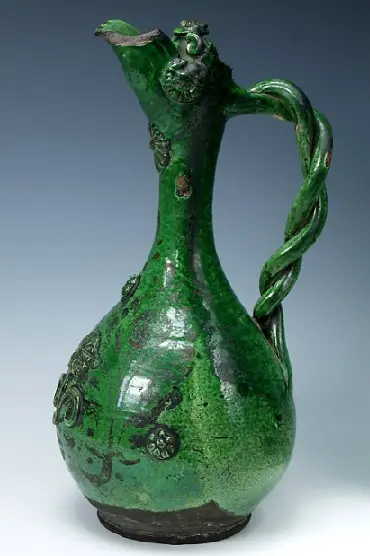
History of Traditional Çanakkale Ceramics
History of Traditional Çanakkale Ceramics Çanakkale is a city located in the northwest of Anatolia, 25 km north of Troy and at the entrance of the Dardanelles (Tekkök, 2000). It has been known by different names throughout history (Boğaz Hisarı, Kale-i Sultaniye, Dardanelles, Hellespontos) and has been mentioned in the writings of many travelers with names close to its current one (Chandler, 1776; Chishull, 1747; Dallaway, 1797; Knight, 1849; Tekkök Karaöz, 2018; Sanay, 1989). In travel notes about Çanakkale, Dallaway (1797) mentioned the name Chanák kalefi in reference to the pottery production in the city. Knight (1849) noted that the name Tchanak Kalessy comes from the potters, with the word "tchanak" meaning soil or pottery.
In Ottoman history, from the 14th century onwards, İznik, Kütahya, and Çanakkale have been highlighted as important centers of ceramic art, with Çanakkale being considered as part of a unique folk art. In and around Çanakkale, clay deposits with high iron content are particularly significant for ceramic production. The soils in the region are of volcanic origin and enriched with alluvium brought by rivers. Çanakkale is also rich in various minerals such as zinc, chrome, iron, copper, lead, manganese, magnesite, and gold. The development of Çanakkale ceramics between the 17th and 20th centuries is closely related to the richness of these natural resources (Ayda, 1997).
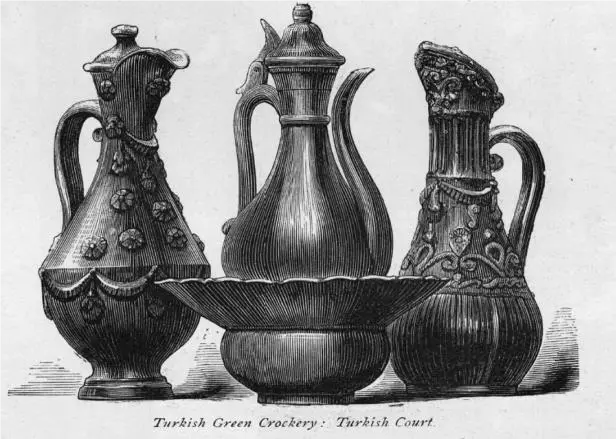
Çanakkale Ceramics in the World
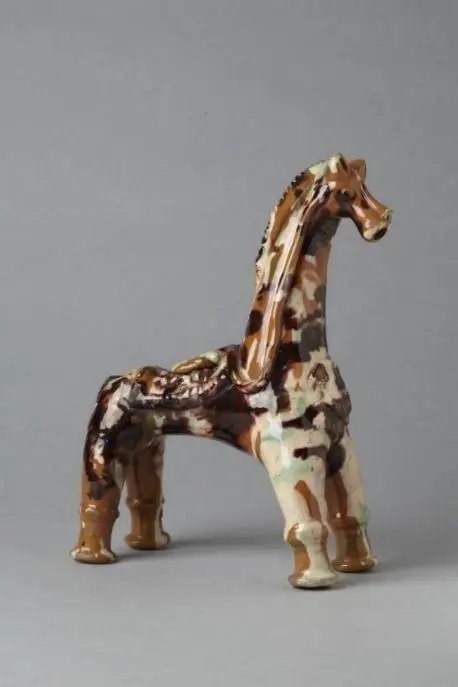
Victoria and Albert Museum
Horse-shaped ceramic made of earthenware with a purple-brown, cream, and green marbled glaze. (Victoria and Albert Museum, 2024)
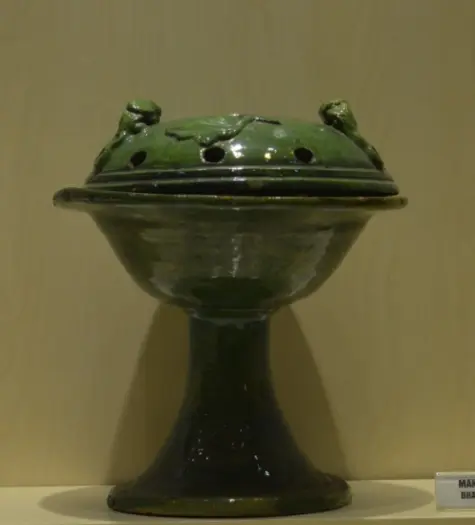
Ankara Ethnography Museum
Çanakkale ceramics from the late 19th to early 20th centuries. (Kılıçoğlu, 2019: 145)
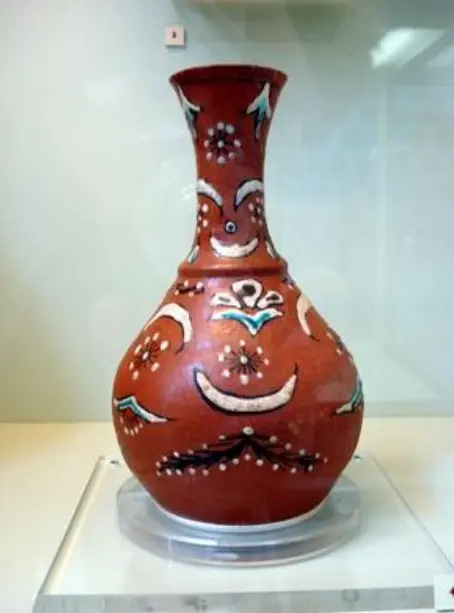
Çinili Köşk
The Istanbul Çinili Köşk Museum showcases a variety of Çanakkale ceramics in its 6th hall
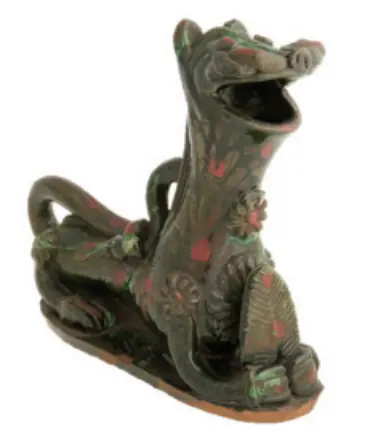
Glasgow Burrell Collection
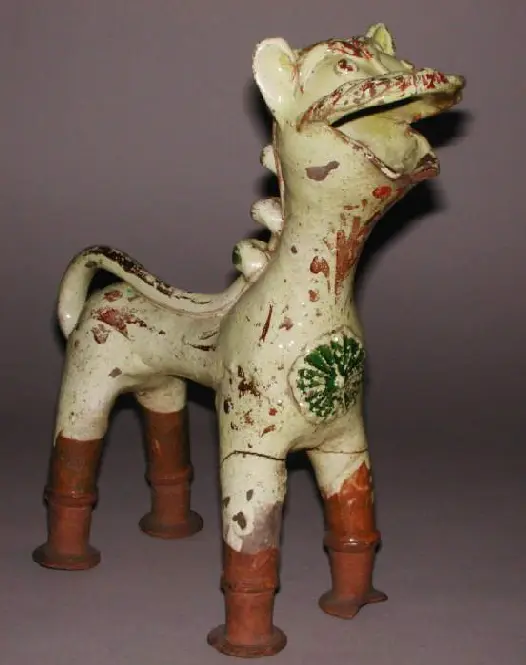
The lion-shaped vessel in the Glasgow Burrell Collection Source: (Diri Apaydın, 2021: 270).